You’re posting on social media, keeping your website ticking over and occasionally putting some money behind an advert.
You’re doing everything you’ve been told to do. So why aren’t the enquiries coming in?

Before you decide marketing is a load of old nonsense, let’s look at what’s actually happening.
Being busy with your marketing and being effective at it aren’t necessarily the same thing.
Sometimes, the answer isn’t to do more. It’s to stop doing what isn’t helping.
Whether you’re running a Guernsey café, marketing a Jersey professional services firm or doing everything yourself, here are six habits worth checking.
1. Posting because it’s Tuesday
You haven’t posted since Friday. Quick, find a photo of John carrying a load of boxes and say something about being passionate about customer service.
Job done. Marketing ticked off.
Except… what have you actually said?
Posting regularly is fine. Posting because there’s an empty space in your content calendar is not.
Give each post a job. Answer a question. Explain something customers misunderstand. Share a useful tip or show how you solved a problem.
Before pressing publish, ask: “Why would my customer even care?”
If the answer is “because I don’t have any ideas on what to post on Tuesday”, step away from social media and try again when you have something meaningful to say.
2. Admiring the numbers instead of learning from them
Your post got 40 likes on that last post. Get you! But what happened next?
Did someone visit your website? Ask a question? Book an appointment? Who actually even liked your post? Was it Great Aunt Enid in Australia and your old neighbour Mr Biggins?
Engagement is great, but it needs to turn the dial in your business. Let’s not confuse applause with enquiries.
Decide what you want your marketing to achieve, then choose numbers that help you assess if it’s worked. If you want enquiries, estimate how many you want, record where they come from, and track whether they then become customers.
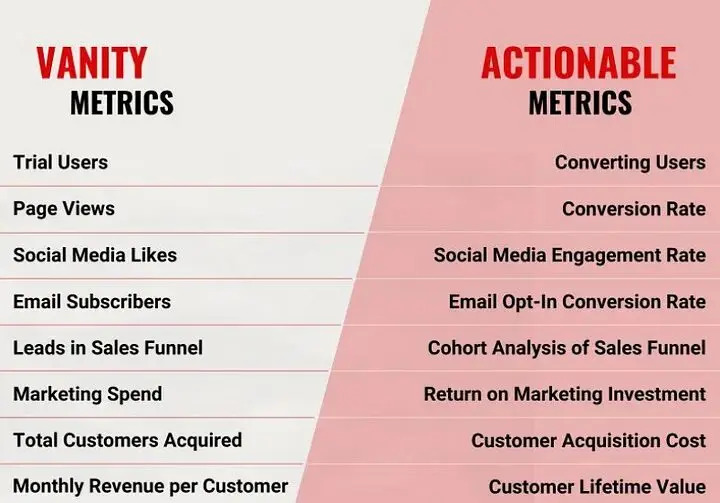
Put half an hour in the diary each month to review what’s happening. Not just ‘what got the most likes?’ but ‘what deserves more of my time?’
3. Having a different personality on every platform
Your Instagram is warm and cheeky. Your website sounds like a soundbite. Your newsletter appears to have been written by a robot.
Who, exactly, is your customer dealing with here?
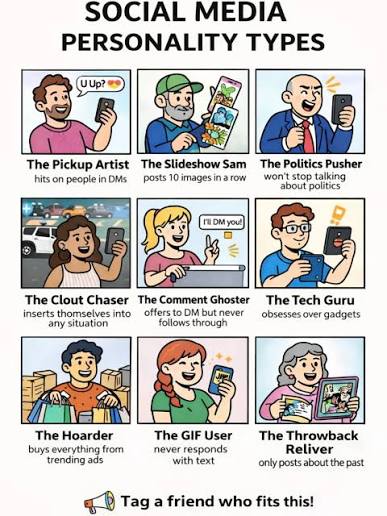
Your tone can change with the situation. A complaint needs a different response from a team celebration. But the underlying voice should still feel recognisable.
Choose three words that describe how your business should sound. Friendly, knowledgeable and straightforward, perhaps.
Then write a few examples. Share them with colleagues, freelancers and anyone briefing your AI tool. As we discussed in our previous blog, the quality of what AI churns out for you depends on the quality of your prompt. Give it crumbs, and it’ll create something for you that sounds like everyone else. It won’t sound uniquely like you.
4. Making everything about you
“We’re delighted.”
“We’re passionate.”
“We’re industry-leading.”
Wonderful. But how does that help me, your customer?
Company news absolutely has a place. Just don’t expect every reader to get excited simply because you’ve announced something.
Translate the news into a benefit.
“We’ve launched an online booking system” becomes “Book your appointment without the need to arrange a phone call in your lunch break.”
Same announcement. Much clearer reason to care.
Think about what customers ask before buying: price, availability, timing, suitability. Answer those questions instead of reaching for more impressive-sounding descriptive prose.
5. Assuming everybody already knows what you do
We’re in the Channel Islands. Everybody knows everybody, right?
Well, recognising your name and understanding your business are two different things.
Someone might see your van driving around town every week without knowing whether you work with homeowners, businesses or both. An existing client might use one of your services without realising you offer three others.
Check your website headline, social profiles and introductory copy.
Do they explain what you do, who you help, where you operate and how to contact you?
Ask someone outside your industry to read them. If you have to explain what you meant, the copy needs another go.
6. Making the next step an easy one
You’ve caught someone’s attention. They’re interested.
Now they’re hunting for a booking link, clicking a broken button or wondering whether anybody checks that inbox.
Don’t make buying from you an endurance sport. Trust me, if a customer hits friction when trying to buy from you, they’ll give up and not return. Worse still, they may moan to one or more friends about their experience.
Follow the journey yourself, on your phone. Click the advert. Find the service. Send the enquiry.
Give people one obvious next step. And make sure somebody is responsible for responding when they receive an enquiry, and fast.
Start with one thing
You don’t need to overhaul everything.
Start with one campaign, or go back to the drawing board and figure out how to raise awareness for a product or service.
Good marketing is about being useful, recognisable and easy to do business with.