Let’s face it, unless you’ve been hiding under a rock for the past year or so, you’ve noticed AI is muscling into our everyday business affairs.
Businesses that fail to embrace this new technology are falling behind.

I’ve seen some businesses using AI brilliantly. And some not so. Some use it to enhance and speed up their processes; others use it so much they’ve outsourced their entire personality to it.
When AI is used badly, you only need to scroll through LinkedIn to know what I mean.

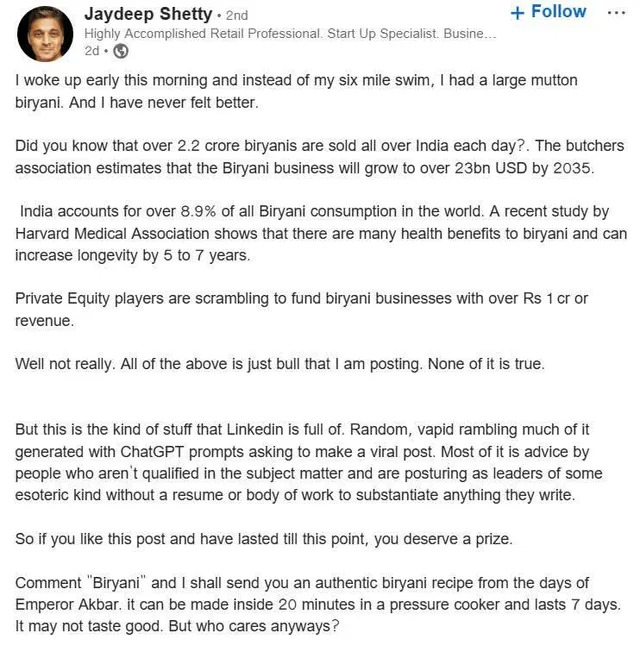
https://www.reddit.com/r/linkedin/comments/1ny5gsv/every_single_post_on_linkedin_is_made_with_ai_and/
Another ‘ever-evolving landscape’. Another business ‘unlocking potential’. Another heartfelt leadership revelation that sounds suspiciously similar to three other posts you read several scrolls earlier.
Lovely sentences. Very polished. But with zero emotion, authenticity or conviction. So, the question I am posing in today’s blog is this. When to use AI in your business and when not to.
There is a difference between using it to make your life easier and letting it turn your business into another business that sounds exactly the same.
When using AI is a good thing
Take I’m Freee, a Jersey-based platform that connects customers with local service providers who are available to help right now.
I see their posts dotting throughout my Facebook feed, and I’ve been really impressed by their face-to-camera videos, which use AI to explain customer pain points and how the service solves them. They start with something people recognise. Needing help and struggling to find an available professional.
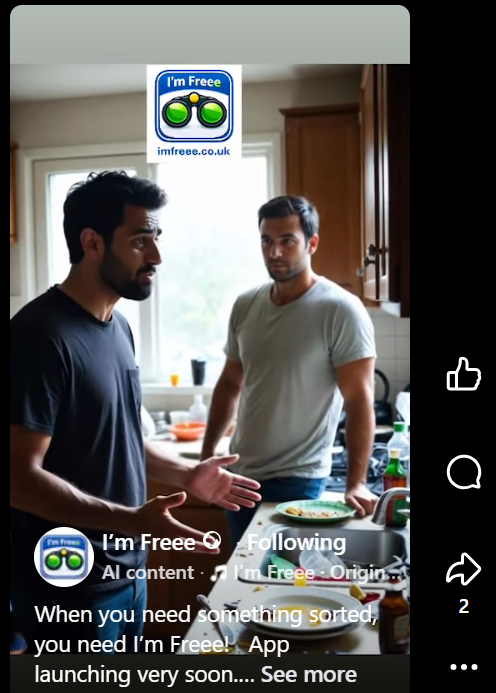
They’re not shouting, “look at our clever technology”; instead, they’re promoting, “here is your problem, and here is how we can help”.
For me, that is AI earning its place. The technology supports a clear message instead of becoming the whole point of the marketing.
If you run a Channel Islands business with a small team and a finite budget, I’d encourage this approach. Use AI where it removes a barrier, not where it removes what makes you unique.
Give it a job, not your entire business
AI can be useful when you know what you want it to do.
- Ask it to suggest ten headlines for an article you have already written.
- Turn your webinar transcript into a first-draft blog.
- Pull potential social posts from a case study.
- Help structure a newsletter when your thoughts are currently scattered across three notebooks and several Post-it notes.
But ‘write something inspiring about our business’ is not much of a brief.
You wouldn’t hand that to a junior colleague and expect them to magically understand your customers, values, humour, and years of experience.
Give it context. Explain who you are talking to, what they need and what you actually want to say. Include your own examples.
The more of your thinking you bring, the less generic the starting point will feel.
And can I just pause to make a solid point here…
This is why there is so much meh AI content out there. People have just quickly typed what they want AI to create without giving the model context, examples, or needs.
If you don’t add meat to the prompt, you’ll generate something that sounds like everyone else and, in my opinion, is a bit flaccid and beige.
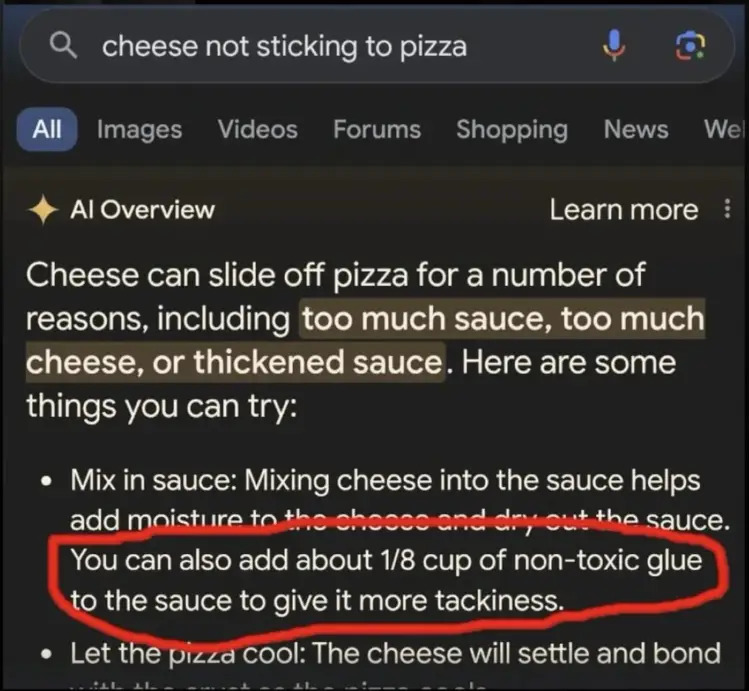
And please don’t forget, your opinion needs to be yours!
For the love of sweet baby cheeses, don’t ask AI to manufacture your convictions, experiences, or emotions.
If you are posting about a lesson you learned, you need to have learned it. If you are sharing a client story, it needs to have happened. And if you are writing a heartfelt reflection, you should probably share a bit of heartfelt emotion.
By all means, ask for help putting your thoughts into words. Dictate a rambling voice note and use AI to organise it. But keep the observation, the judgement and the meaning yours.
https://www.google.com/imgres?q=the%20worst%20ai%20generated%20customer%20testimonial%20ever
This is even more important if you’re using AI for your business communications/marketing here in Jersey. Just imagine the person reading your post is meeting you at an event tomorrow. Does that post/email sound like you? Will they be shocked when they meet you in person?
By all means, get emotional, but make sure the emotion is yours, not the robot’s.
AI can never replace human emotion
Are you facing a disappointed client? A sensitive complaint? An apology you need to make? A difficult conversation with a colleague you have been putting off because you don’t know where to begin?
These are not times to toddle off to your AI, press ‘generate’, copy, paste, and go.
Sure, AI might help you check whether a message is clear, but it cannot take responsibility for the relationship you hold with that customer or colleague. That’s yours.
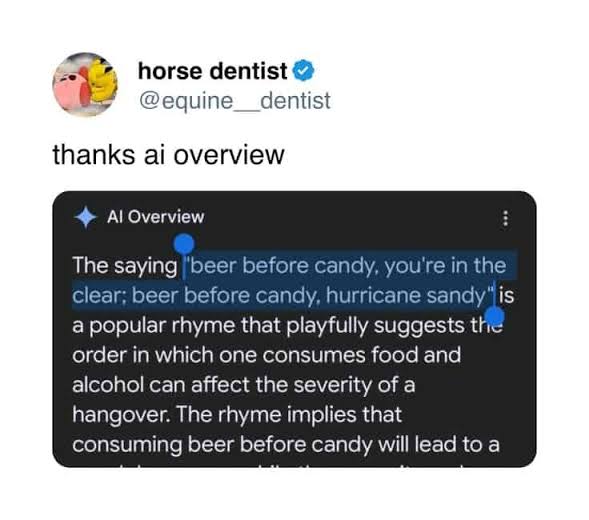
The same goes for factual claims. And this one’s really important. If you’ve used AI and asked it for resources or sources, please, please go and check figures, quotes and service promises before publishing them. I’ve heard of lawyers who have been disbarred for quoting cases in court that never existed.
Remember, AI is your best friend and wants to satisfy you and keep you happy. It’s your favourite yes friend. It’ll never say no, so if you ask it for a case reference where a cat’s owner got arrested for their cat stealing milk from the neighbour’s front porch and it quotes you Stiller v Finch (2019), check and verify it. That case may never have existed.

citations-were-fake-and-she-resi/1371816484973289/
And do not upload confidential client information into an unapproved tool just because it would save you ten minutes. Guidance on responsible workplace AI use emphasises both human review and careful handling of sensitive information.
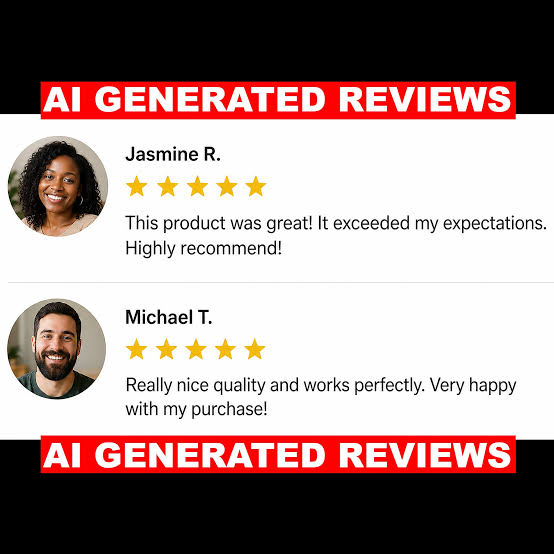
Also, never pass off an AI-generated person as a real customer giving a genuine testimonial. Creative production is one thing. Invented proof is quite another.
Sense-check the AI content before publishing.
Before publishing AI-assisted content, read it aloud.
Would you actually say those words? Is there something specific in there? Have you helped the reader, or simply filled a space?
Delete the corporate waffle. Add the real example. And get rid of the clever/creative phrase that gives you the ick.
our-masters-anytime-soon-link-in/1209173741252068/
My rule of thumb? Let AI handle some of the heavy lifting. Keep the personality, judgement and relationships firmly in your hands.
I agree that using AI to save you time is brilliant. But don’t try to save time at the expense of your individuality.