


We spend the first part of our working lives being told to stand out.
Make your CV memorable. Show your personality. Demonstrate your unique selling point.
Be enthusiastic. Be yourself. Shine.

Then you land the job, arrive full of ideas and a bit of gusto, and sometimes realise there is an unspoken question hanging in the air:
How much of yourself are you actually allowed to bring into the boardroom?
It is a fair question, particularly for people in marketing, design, advertising and the wider creative world.
We work in industries where companies actively sell personality. Scroll through any agency’s website or LinkedIn feed, and you will be met with claims of being the boldest, funniest, most disruptive, most flavour-packed bunch of creative geniuses this side of the Channel.

“Come and work with us! We are different! We do things differently! We have office dogs and amazing playlists and probably a ping-pong table!”
Lovely.
But sometimes, you close the boardroom door, and the atmosphere is less ‘bursting with flavour’ and more vanilla, cold blancmange. Nice enough, perhaps, but absolutely crying out for a bit of sauce.
So, where is the line? Can personality ever become too much personality? Should there be a personality parameter test between the job description and your first team meeting?
Worse still, you join one of these cool and happening agencies, and they don’t even tell you what their standards are! They leave you in the dark to fend for yourself and work it out. You think your flavour, personality and approach align with the cool ethos they give off to the market. But in fact, they want you to be more formal, more vanilla.
It’s really bad when you join somewhere that shares all their processes with you, but fails to share the most important things of all. How to behave with colleagues and clients.
And that, I’m afraid, is an example of really poor leadership.
Your boss should be the one to set the parameters.
CEOs, directors and senior leaders are the people who create the culture that everyone else works within, whether they mean to or not. If the people at the top reward straight talking, new ideas and personality, that behaviour spreads. If they make people feel silly for asking questions, taking a risk or having a slightly different way of thinking, creativity quickly dries up, and your brightest stars leave.
It does not matter how playful the brand looks online if everyone is afraid to say what they really think in the room.
You cannot put ‘we value creativity’ in a job advert, then expect people to leave all their spark, humour and gumption at reception.

Of course, ‘bring your whole self to work’ does not mean there are no boundaries. You can be funny without being cruel. You can be confident without talking over everybody else. You can challenge a client’s brief without being rude, and you should be allowed to have strong opinions when they matter.
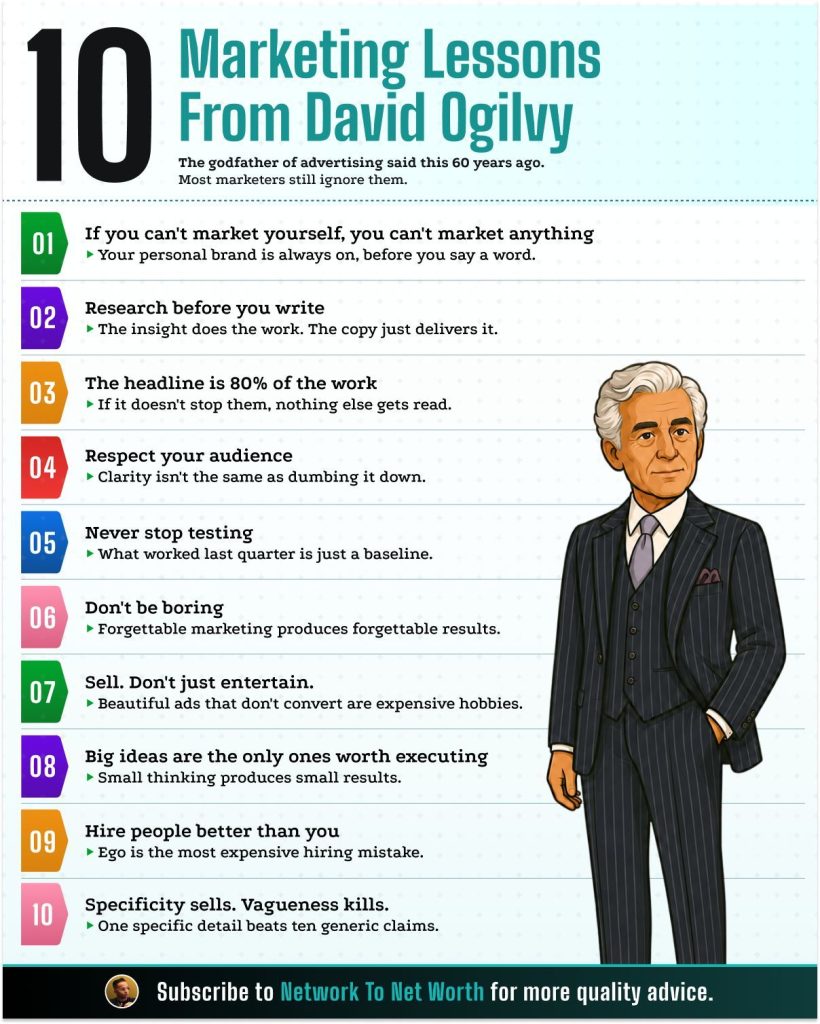
David Ogilvy had a point…
Back in 1968, advertising legend David Ogilvy wrote his ‘Principles of Management’ for Ogilvy & Mather. It was a proper, grown-up guide to building an agency that clients respected, employees wanted to work for, and competitors took seriously.
His principles were not about dampening character or creating a room full of identikit corporate robots. Quite the opposite. Ogilvy believed that people need to enjoy their work, because ‘when people aren’t having any fun, they seldom produce good advertising’.
7470074844378861568-mMok/
But he also placed a huge value on honesty, civility, hard work and treating people properly.
Ogilvy’s culture rejected bullies, office politicians and pompous behaviour; promotion was influenced as much by someone’s character as their ability.
That still feels incredibly relevant.
For those of us in marketing and the creative industries, the boardroom should be a place where there are no silly ideas and no stupid questions – at least not at the start…