

If you’re posting on LinkedIn at least once a week (or more) and wondering why your numbers have dropped significantly, you’re not imagining it.
Fewer likes, fewer comments, fewer impressions, fewer profile views. And LinkedIn strategist Richard Van Der Blom has been tracking it. He conducted some analysis of over 3 million LinkedIn posts and found that median LinkedIn post impressions were down 47% year-on-year (from 1,211 to 636). That’s bananas!
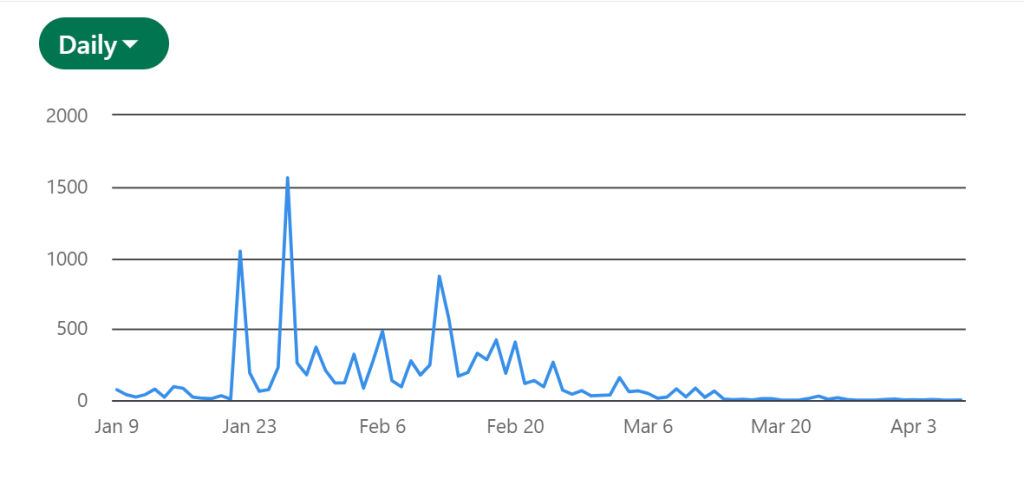
(It’s worth noting, I haven’t posted for a while, which is why my impressions are so low)
All this change is giving you that sinking feeling, isn’t it? When you’ve put so much effort into writing posts and commenting on others, and you know it’s barely reaching anyone? Well, the reason for this mahoosive change is LinkedIn’s new algorithm: Brew360.
Brew360 is LinkedIn’s big AI brain that now decides what gets seen, by whom, and how often. It’s out with pods, “comment YES if you agree” engagement bait, and bland AI‑written wiffle waffle. And, it’s in with relevance, expertise and genuine interaction. As a LinkedIn trainer, I’ve been watching this closely (and testing it with my own content and my clients’), so let’s break it down in plain English and talk about what actually works now and what to avoid.
What is Brew360 trying to do
Previous versions of the algorithm served whatever was popular in the last hour, boosting posts that got quick likes and rewarding people who were good at playing the game. What we mean by that is timing hacks, pods, and ‘link in first comment’ tricks.
The new algorithm, Brew360, is much more involved.
It:
- Reads your content and profile together. It doesn’t just count reactions; it looks at what you talk about and whether it matches who you say you are. This means it’s probably now a good time to review your LinkedIn profile and ask yourself if it still stacks up to who you want to be known for today.
- Builds a ‘pattern profile’ for you over about 90 days, it learns your main topics and who tends to care about them. Note, if you’ve not posted for the past 90 days, isn’t it time to?
- Shows your posts to people it thinks will genuinely value them, not ‘everyone in your LinkedIn 1st connections network’.
- Prioritises meaningful engagement such as dwell time, saves, long reads and thoughtful comments.
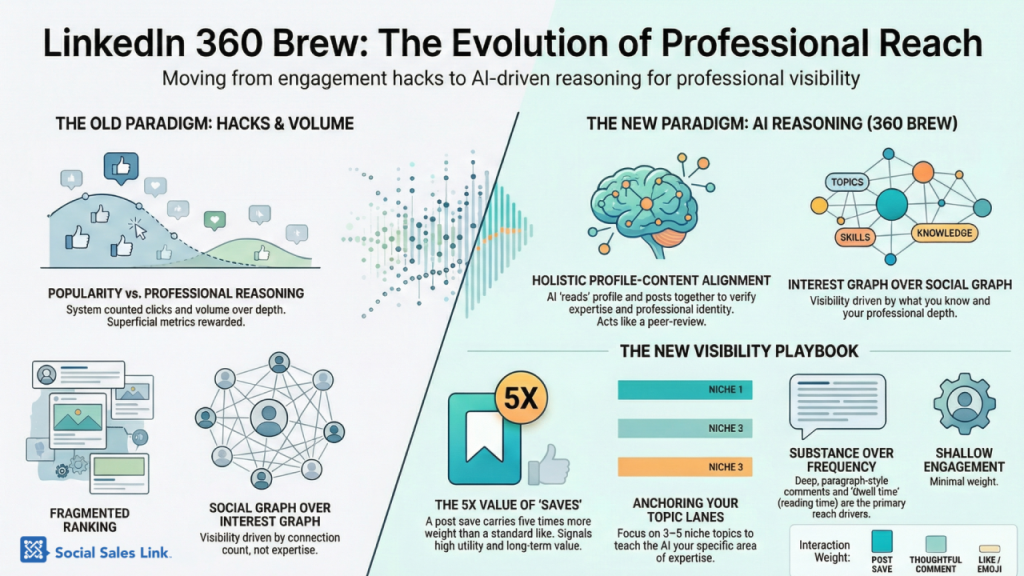
The old algorithm rewarded people who were good at LinkedIn. The new one rewards people who are good at their craft and can communicate that clearly.
What’s now dead on LinkedIn
Under Brew360, several old favourites have either been downgraded or actively penalised:
Engagement pods – LinkedIn’s AI is much better at spotting unnatural, coordinated reactions. We all knew that pods did more harm than good, and LinkedIn is responding by limiting reach. Now, that’s something I am happy to see.
Engagement bait – “Comment YES if you agree”, “Tag 3 people”, fake controversy. Did you ever do any of these? Tut tut. But a word of warning: these patterns are being detected and deprioritised.
Use of hashtags – Brew360 understands topics from the text itself; hashtags have minimal impact on distribution, so stop using them as they are totally unnecessary.
Generic AI posts – Content that looks and feels like it’s been copied straight from ChatGPT, with no personal angle or context, is increasingly flagged as low‑value, meaning reach is penalised, so fewer people will see your lazy attempt at post creation.
“Link in first comment” – LinkedIn is now better at evaluating value, even with links in the post, so gaming the system is less effective. This means you no longer need to omit your link when publishing your post. You can add it wherever you want in your post. And stop adding your link as the first comment. LinkedIn also penalises posters who make the first comment their own.
Are you still doing any of the things I mentioned above? If you are, that’s a big reason your reach has dropped.
So… what actually works now?
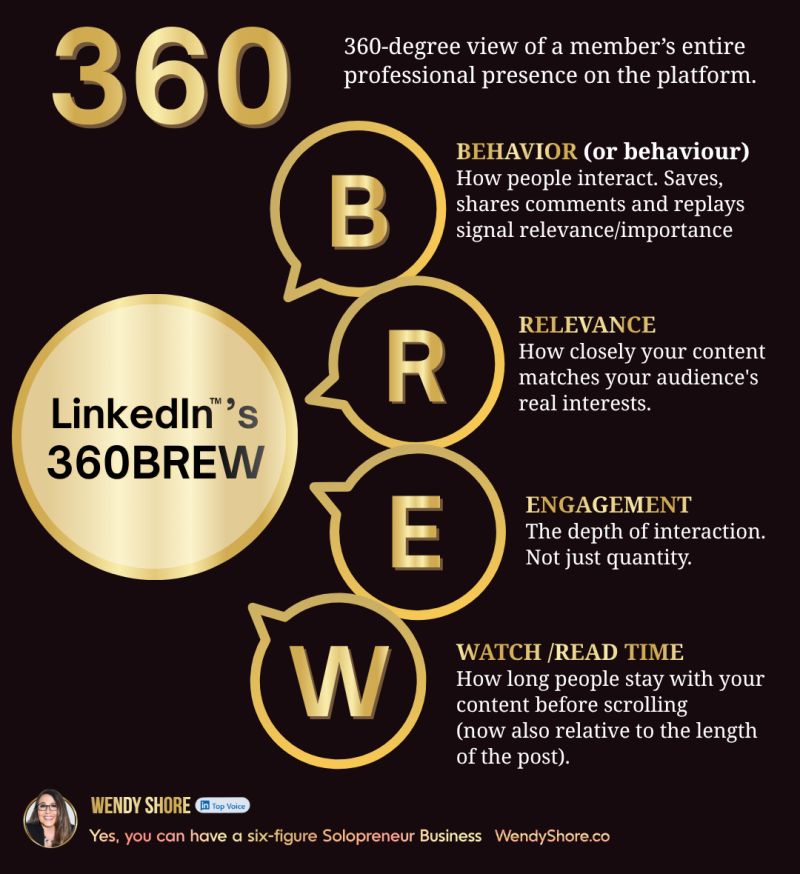
From what I’m seeing across my own account and my clients, there are a few clear winners under Brew360.
1. Clear niche, consistent themes
Brew360 loves people and companies who know what they’re about.
If you post about tax one day, puppies the next, then a random motivational quote, the system struggles to categorise you. When you consistently show up around two or three core topics, LinkedIn starts to understand your expertise and who should see your content.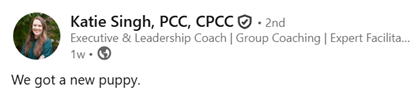

So, here’s what you need to do:
Decide your core themes (e.g. ‘trusts and succession’, ‘HR in regulated industries’, ‘SME marketing in the Channel Islands’).
Make 80% of your content sit under those umbrellas.
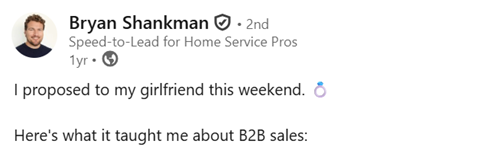
You can still sprinkle in personal posts, of course, you can, we still love seeing your true, authentic self, but if you can, tie them back to your main topics when you can. Word of warning, please, for the love of sweet baby cheeses, don’t write a post about how getting engaged offered you lessons in business. Bawk

2. Profile and content working together
Brew360 checks your profile before deciding how widely to push your posts. If your headline says ‘Lawyer’ but your content is all about baking, the distribution of your post will struggle.
So, here’s what you need to do:
Update your headline to reflect your expertise and audience (‘Funds lawyer helping managers navigate cross‑border regulation’).
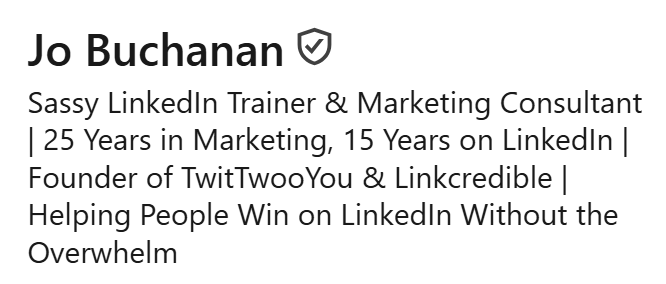
Make sure your About section reinforces what you post about. Make sure you’re using the same language and themes you use in your posts.
Use your Featured section to showcase posts or resources that align with your niche. Your Featured section is a way to convert visitors from your LinkedIn profile to your website or call booking page.
Think of ways to help the algorithm by writing your profile with this in mind.
3. Posts that people hang out on
Under Brew360, quality beats sheer volume. Signals that matter now include:
- Dwell time – If people stick on your post for 10–15 seconds or more, that’s a strong indicator it’s worth sharing further.
- Saves and replays – Saves, re‑opens, and document views now carry far more weight than a quick like. So this is where you ask people to save your post for future reference, or pull out the carousels from Canva to re-use. Carousels are viewed as a document, and if you have around 10 tiles, that means readers will stay longer on your post, signalling it’s a goodie and worth sharing with more of your network.

- Real comments – Two thoughtful comments are worth more than 20 “Great post!” replies. When you ask a question at the end of your post to encourage engagement, ensure it demands more than a yes-or-no answer.
So, here’s what you need to do:
- Use hooks that make people want to read the second line.
- Structure your posts clearly. Make the paragraphs short, give your post plenty of white space, and avoid massive text blocks.
- Offer something concrete: a mini framework, checklist, story, or point of view.
If you’ve seen a big drop in your engagement scores since Brew360 was rolled out, here’s how I’d reset it, based on what’s working across my clients and my own account.
1. Audit your last 90 days
Look back over your posts and ask:
- Are my topics all over the place?
- Is my profile aligned with what I’m posting now (not what I did five years ago)?
- Which posts had the best comments and saves, even if the likes were low?
Brew360 cares about patterns over time, not one viral hit. So think in seasons, not single posts.
2. Double down on value, not volume
You don’t need to post daily for the sake of it. You do, however, need to show up regularly with something that genuinely helps or resonates with your audience.
Ask yourself before you hit publish:
- Does this teach, clarify, challenge or encourage?
- Is there a clear takeaway?
- Would I save this if I saw it?
If the answer’s no, then it’s time to tweak it or totally rewrite it.
3. Talk with people, not at them
Brew360 loves meaningful interaction.
- Ask real questions that invite opinions, not just agreement.
- Reply properly to comments. What I mean by this is that it’s important to add context, ask your commenter for a follow‑up by asking them a question in your reply comment, basically, try to keep the conversation going.
- Spend time commenting thoughtfully on other people’s posts in your niche. That’s content too, and it helps the algorithm understand your expertise.
So, here’s my final thoughts on Brew360…
It isn’t out to get you. It’s out to make LinkedIn less spammy, less gameable, and more useful.
If you’ve been relying on hacks, it will feel brutal. If you’ve been quietly doing good work, you now have an opportunity: show up with clarity, consistency and actual value, and the algorithm will work with you, not against you.

And if you’re still not sure where to start, that’s literally what I help people with as a LinkedIn trainer. Getting your profile, content and strategy Brew360‑ready without losing your personality in the process.