

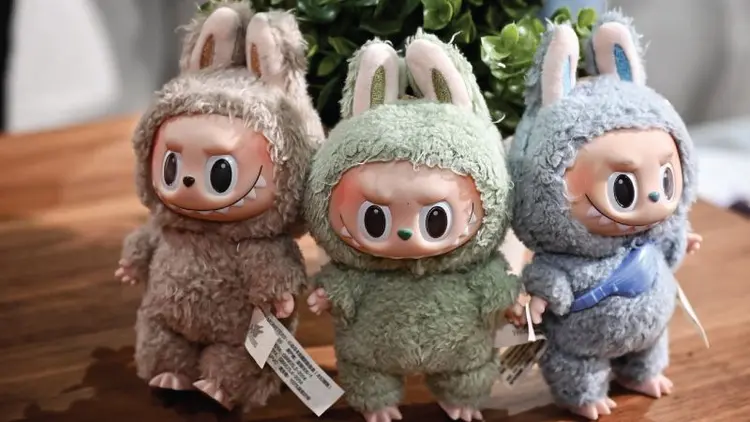
If you’ve somehow managed to avoid the Labubu craze, I both applaud you and question which rock you’ve been living under??!!
Labubu dolls, known for their mischievous, ‘ugly‑cute’ rabbit‑elf creatures with sharp teeth and weird energy, have gone from niche art toys to global status symbols.
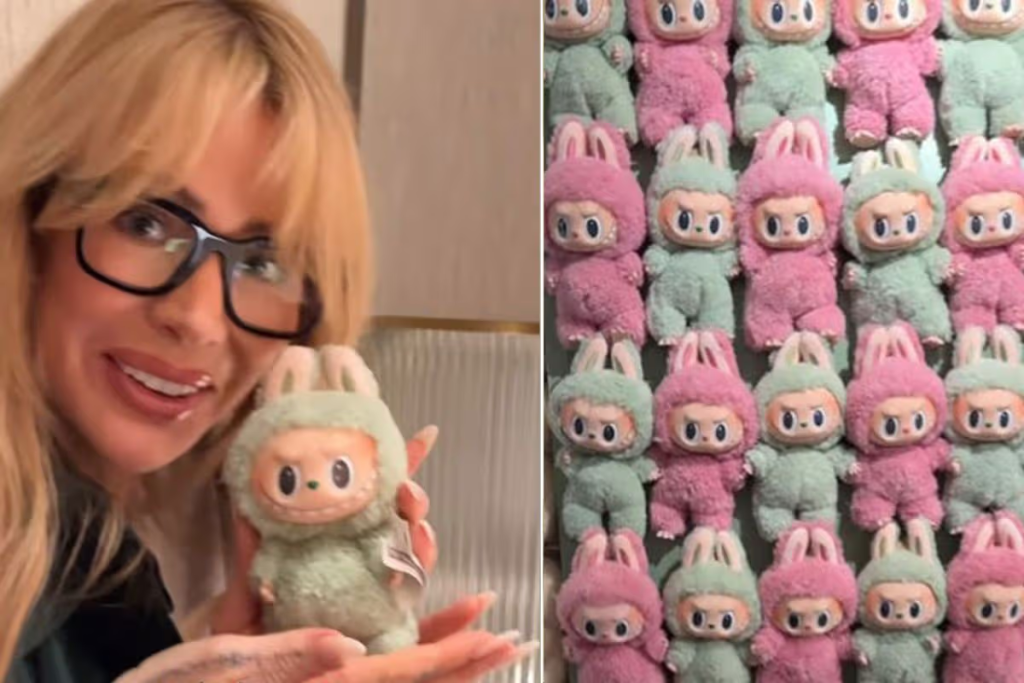
You’ll now see them dangling off the bags of Rihanna, Dua Lipa, Gigi Hadid and Kim Kardashian (via Saint), popping up in Olivia Attwood documentaries, and featuring all over TikTok and Instagram.
They were created in 2015 by artist Kasing Lung as part of his book series The Monsters, inspired by Nordic folklore, and then turned into vinyl collectables and plushies via Chinese toy giant Pop Mart.
What started as a quirky character has exploded into a full‑blown cultural phenomenon built on scarcity, collectability and clever brand building. When he first came up with the idea, he was already worth a very healthy $1.4 billion, but today he is worth between $43 and $46 billion!!
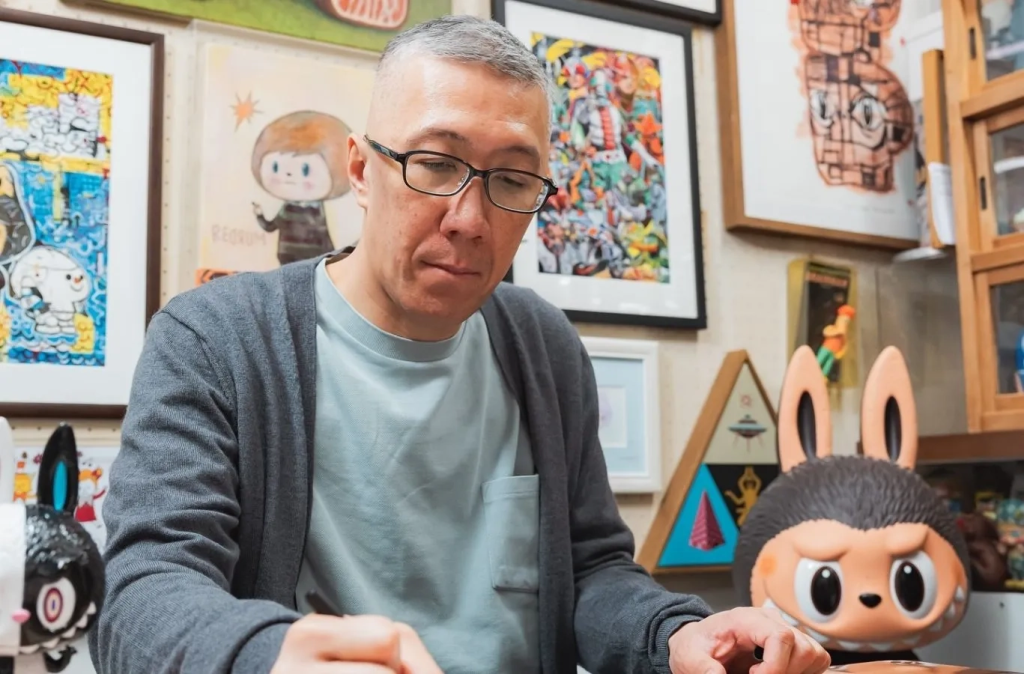
Image credit: www.snkrdunk.com/en/magazine/2024/10/30/what-is-labubu-the-global-phenomenon-explained
So why am I, a Jersey-based marketing consultant, writing about goblin rabbits in a business masterclass?
Because beneath the fluff and fangs, there are some seriously smart marketing lessons that we can learn from.
1. Scarcity: ‘Out of stock’ as a strategy
Labubu dolls aren’t just sitting on shelves waiting to be picked up with your weekly shop.
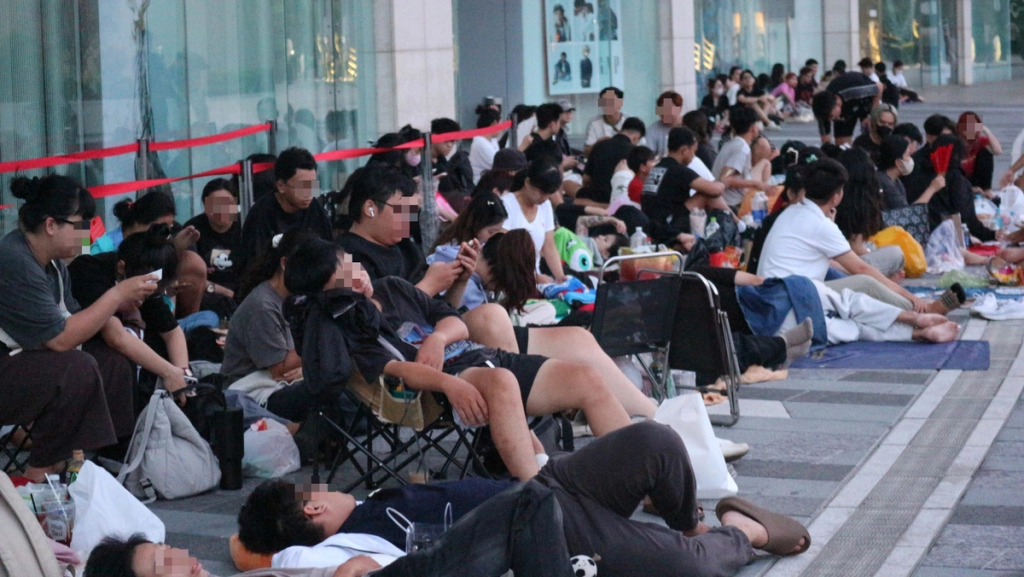
They’re sold in blind‑box formats. You buy a sealed box or a case of 12 or 20 without knowing which character you’ll get. Some editions are rare, some are ‘secret’ chases, and Pop Mart has leaned hard into limited drops and ‘no restock date announced’ messaging.
Put these two elements of scarcity and surprise into the equation, and you create an obsession. People queue, refresh apps, and hunt across resale sites because they might get that one special Labubu they’ve been hunting for. As one retail strategist put it: “Scarcity without story is just empty shelves. Scarcity with lore becomes currency.”
What you can learn from this
You don’t need to starve your clients of access to your products and services, but you can:
- Create limited, time‑bound offers (e.g., a limited-release pilot programme or a fixed number cohort workshop).
- Launch ‘founding client’ slots for a new service with clearly defined numbers.
- Offer small, curated events instead of endless, open‑ended webinars.
Scarcity, used responsibly, signals value and focus.
2. Re‑sellable: Designing for a secondary market
Hard‑core Labubu fans often buy entire cases, keep the ones they want, and resell the others to fellow collectors. There’s a thriving secondary market where some rare figures go for many times their original price. That’s not an accident. The whole product is designed to fuel trade, swapping and conversion.
What you can learn from this:
Now, you might work in an industry where the idea of a resale market won’t work. But, consider this:
- Are you designing services people will talk about and recommend?
- Are you creating toolkits, checklists or content so useful that your clients share them all over socials, because they are so good and helpful?
- Could you build ‘partner‑friendly’ assets that your introducers/intermediaries actually want to pass on?
In this sense, you should consider designing services and content that go beyond the immediate buyer.
3. Collectables: The psychology of ‘Just one more’
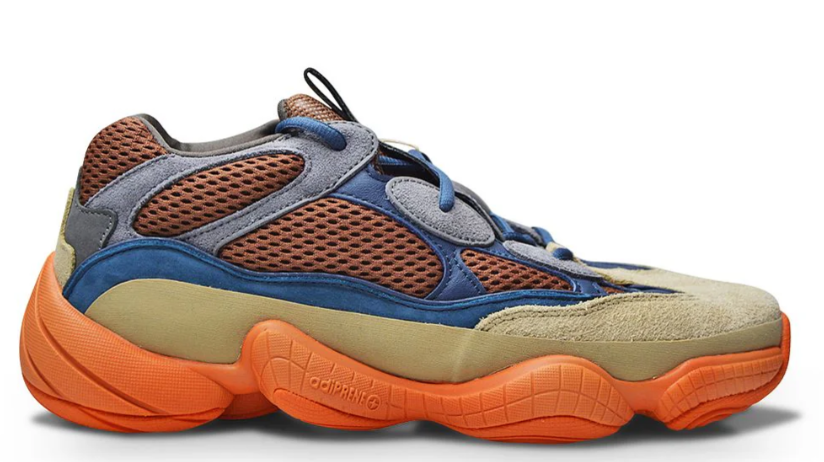
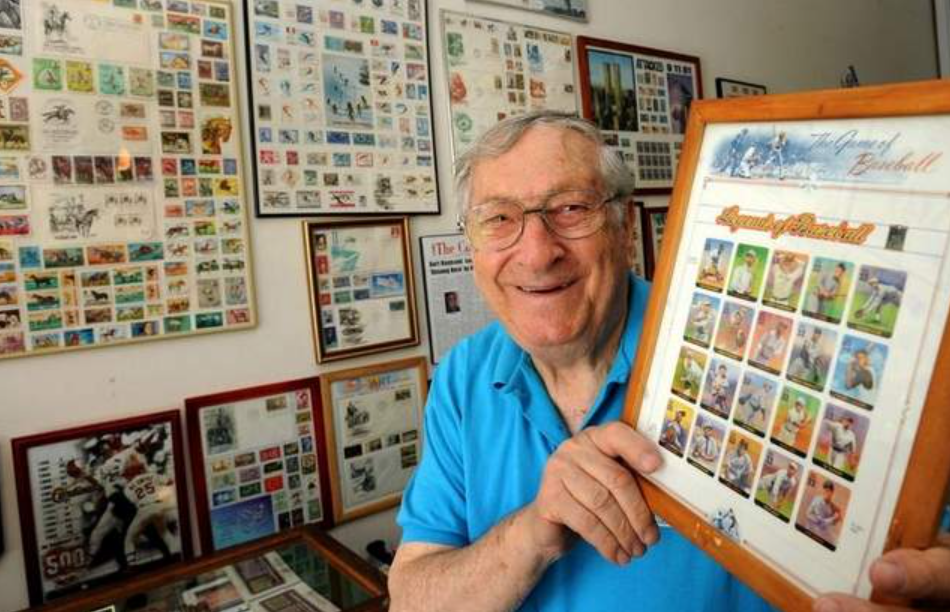
Collecting isn’t new. From stamps (think Stanley Gibbons, established in the early 1800s) to sneakers (remember the craze created when Kanye West launched the Yeezy trainer in collaboration with Adidas?)
Humans have always loved collecting sets, hunting for rare pieces, and building collections that feel both personal and special.
Stamp collecting research talks about:
- The challenge of building a set.
- The aesthetic satisfaction of owning something rare.
- The nostalgia and identity tied up in ‘I collect X”.
Labubu taps into exactly this. There isn’t just one Labubu; there are series, themes, seasonal releases, and collabs. Once you’ve got one, it’s very easy for your brain to say: “Just one more.”
What you can learn from this:
Ask yourself this…
- Do your clients feel like they’re on a journey with you, or is everything a one‑off transaction?
- Could you design tiered services or programmes that progress logically over time? A great way to increase your customer lifetime value.
- Are you giving people a reason to come back for the ‘next thing’? Not because you’re upselling for the sake of it, but because there’s a clear evolution? Think less of one project and more of a collection of value over time.
4. Influential: When celebrities become your promoters
Labubu went mainstream when high‑profile celebrities and influencers were spotted with them.
You may have seen clips of Rihanna, Dua Lipa, Gigi Hadid, Olivia Attwood, and others carrying around their dolls, clipped to the latest designer handbag. This did more than any traditional ad campaign could ever have achieved.
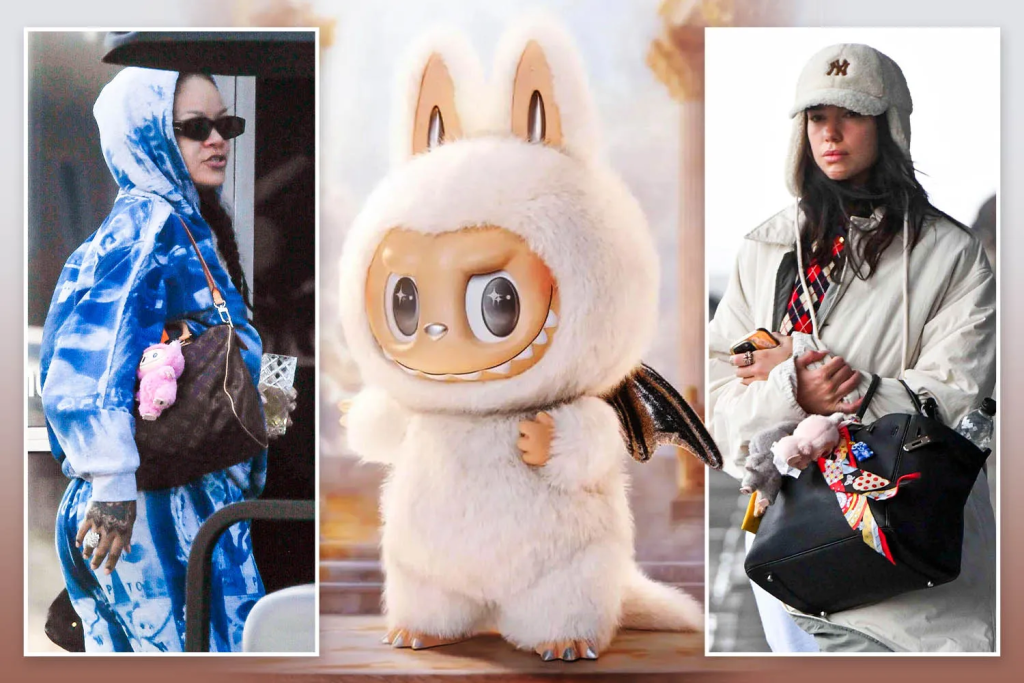
This isn’t just random luck. It’s smart placement, strong visual branding, and a product weird enough to stand out on a luxury handbag.
What you can learn from this:
Now, I know you probably won’t have Kim Kardashian on your Rolodex, willing to wave your brochure around on her socials. But in our world, you do have:
- Respected industry leaders who could talk about collaborating with you.
- Clients with influence in specific niches or jurisdictions.
- Local media, events and platforms (such as Channel Eye) where your ideas can reach a wider audience.
Are you making it easy for your most influential advocates to showcase you? If you’d like to get your brand out there with the help of a few friends, you could try any of the following:
- Co‑created content (roundtables, Q&As, co‑branded guides).
- Case studies they’re proud to be named in and share on social media.
- Thought‑leadership that they can confidently share with their networks.
5. Story + Design: The ‘ugly‑cute’ advantage
Let’s be honest: Labubu isn’t for everyone. They’ve got high ears, sharp teeth, and a slightly deranged expression. But that ‘ugly‑cute’ aesthetic, combined with Nordic folklore roots and an expanding universe of characters, gives the brand something crucial: distinctiveness.
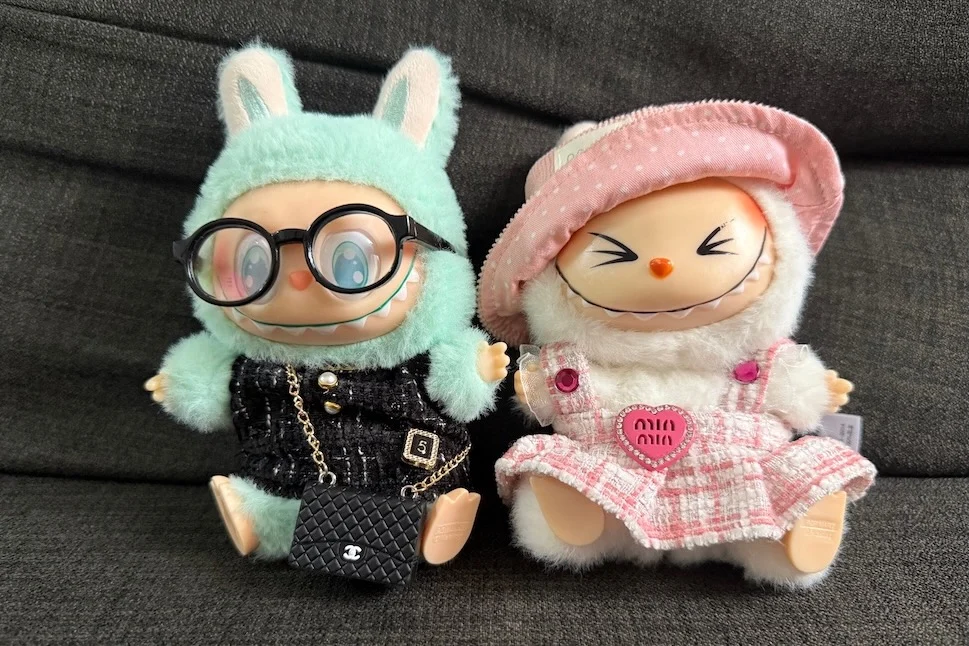
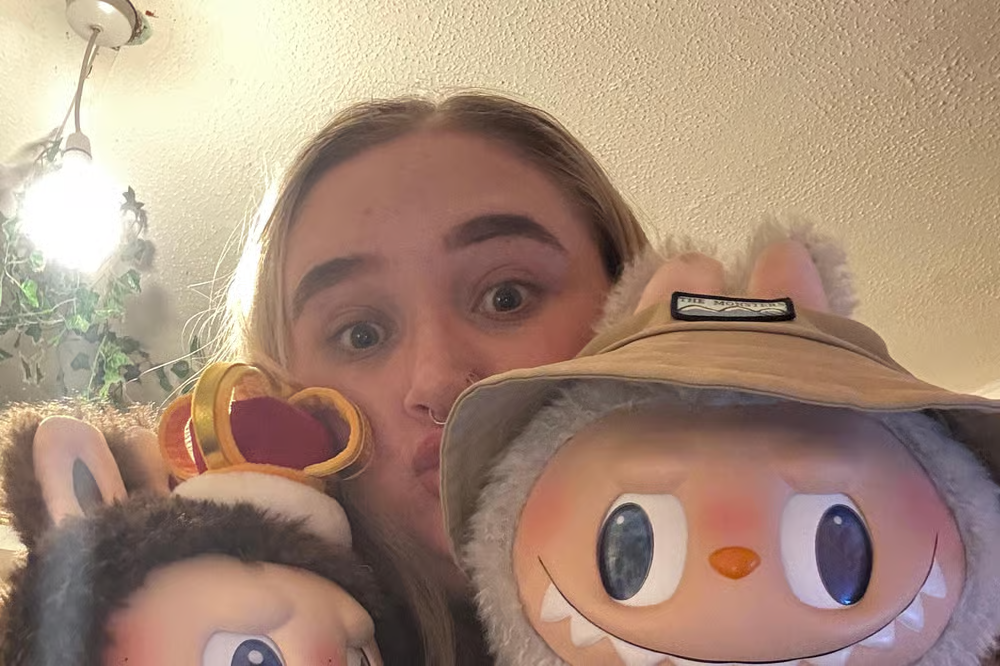
There’s another brand that does this really successfully too, and one my fifteen-year-old daughter loves to collect. They’re called Fugglers, equally as ugly and weird, but highly collectable. Just take a look at her stash below!
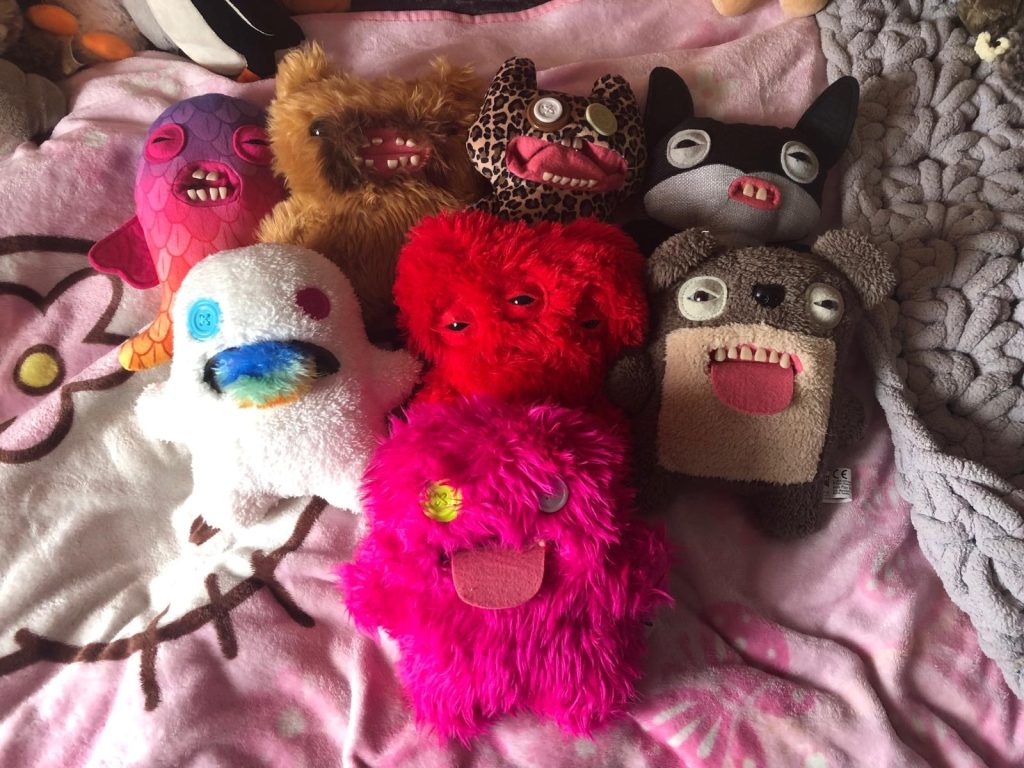
Now, back to those weird rabbits…
You might not want one hanging off your favourite handbag, but you will certainly notice one when you see it.
What you can learn from this:
In the highly competitive markets of financial and professional services, there’s a strong pull to look ‘safe’, ‘same’ and ‘professional’. Meaning you often look identical to everyone else.
Distinctive doesn’t have to mean gimmicky. It can mean:
- A clear, human tone of voice (not generic corporate waffle).
- Visuals that are recognisably you across LinkedIn, your website and your pitches. It might be a good idea to create branded templates to ensure your images are consistent.
- A point of view you’re willing to stand by.
Bland doesn’t build memory. Distinct does.
You might never buy a Labubu doll. You might think they’re creepy, ridiculous, or a sign that the world’s gone mad.
But from a marketing perspective? They’re a masterclass in scarcity, story, collectability and influence.
And if a sharp‑toothed rabbit goblin can go from a sketch artist’s idea to a global phenomenon, your brand can probably afford to be a tiny bit braver too.