
Can you really heat your home on cheaper electricity?
Many of us are familiar with ‘cheap rate’ times for our home appliances – those 10 hours at night and two daytime hours when we put the washing on for over 50% less.
But can a similar mechanism ever apply to electric heating?
In November 2026, Guernsey launched a new electric heating tariff designed to help islanders use more electricity during cheaper, cleaner off-peak hours.
The Off Peak Heat 19 tariff is designed to better reflect the cost of supplying electricity at different times of day and move some heating demand away from the
busiest periods.
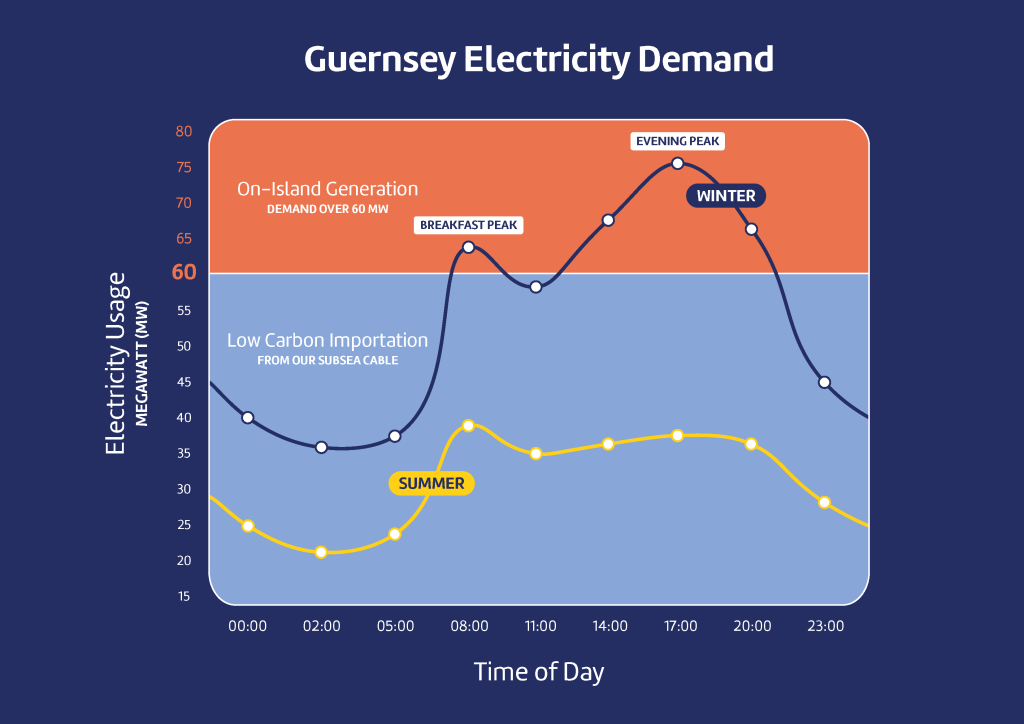
Electricity costs more to supply during peak periods as we need additional resources to meet islander’s power demand. By rewarding customers who use electricity for heating during 19 ‘off-peak’ hours, the tariff encourages islanders with compatible heating systems to use electricity when it costs less to supply, and puts less pressure on Guernsey’s electricity grid.
What is the Off Peak Heat 19 Tariff?
The Off Peak Heat 19 Tariff is designed for electric heating systems that store heat, including compatible off-peak storage boilers and structural slab underfloor heating.
These systems will draw power from the grid across 19 ‘off-peak’ hours during the day and night. They can build up a store of heat which is then used to keep your home warm anytime you need it – including during the five higher-rate hours.
How much does Off Peak Heat 19 cost?
Electricity tariffs change once a year. To find the latest prices, please click here.
How much does off-peak heating cost to install?
This will depend how much your chosen installer charges for their electric heating installation services.
You can work with Guernsey Electricity directly, or if you’d prefer someone else, you can find electric heating installers in the local installer directory.
What does off-peak heat mean?
Not every unit of electricity costs Guernsey Electricity the same to supply.
At peak times, thousands of homes and businesses need power at once, which means calling on more resources to meet that surge in demand. That can include
running additional generators at the Vale Power Station, burning more fossil-fuel, and placing more wear and tear on the island’s electricity network.
Off Peak Heat 19 reflects that difference in cost.
- Electricity for heating is charged at a lower rate for 19 hours of the day when it costs less to supply
- The higher rate is applied during five hours when demand, and the cost of meeting it, is greatest.
A system such as an off-peak storage boiler is designed to make and store most of its heat outside of those expensive peak periods.
 When are the 19 off-peak hours?
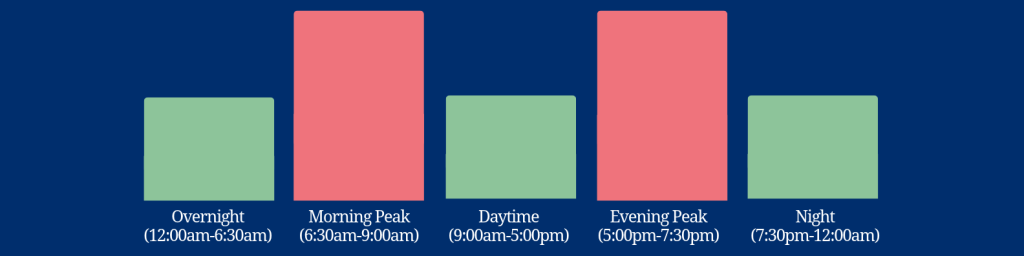
Customers using the Off Peak Heat 19 tariff will use 19 hours of lower-rate electricity.
The five higher-rate hours are currently 6:30am–9am and 5pm–7:30pm.
However these times may change, so if you use Off Peak Heat 19, please check for times that apply to you.
 Will my heating switch off during the five peak hours?
No, your storage boiler will build up enough heat in the lower-rate hours to continue heating your home during the five peak hours.
A correctly sized system is designed to store enough heat to take you through the five peak hours without routinely needing to use higher-rate electricity.
But if you occasionally need extra heat, there is a backup or boost option – any electricity used during peak hours will be charged at the higher rate.
Can I move my existing electric flow boiler onto the Off Peak Heat 19 tariff?
It likely wouldn’t make financial sense. Unlike an off-peak storage boiler, a traditional electric flow boiler has no stored heat to draw from, so it needs electricity whenever you ask it to heat your home.
If you tend to heat your home around 6:30am–9am and 5pm–7:30pm, you’ll be charged the higher peak rate.
Off Peak Heat 19 is designed for heating systems that store heat so you can avoid using electricity for heating during those five peak hours.
Next time your electric boiler is serviced, ask how old it is and when it’ll need replacing. If it’s nearing replacement, ask whether an off-peak storage boiler that’s
compatible with a two-rate tariff could suit your home and give you access to the Off Peak Heat 19 Tariff.
Will I be charged an additional standing charge?
Yes. As with our other electric heating tariffs, Off Peak Heat 19 needs an additional meter to measure your ‘heating’ electricity demand separately, so there will be an additional standing charge.
This is because your off-peak storage boiler has dedicated metering to measure its electricity separately from the rest of your home. We can then charge your heating at the Off Peak Heat 19 rates, while your lights, sockets and appliances remain on your usual household tariff.
Overnight storage heaters on the Super Economy 12 tariff are the exception and generally have no additional standing charge, although a small number of customers with older metering arrangements may still pay one.
My application for electric heating was refused. Could I still get electric heating with an off-peak storage boiler using Off Peak Heat 19?
Possibly. If your original electric heating application was refused because of the additional demand it would place on the local electricity network, an off-peak storage boiler may be possible.
Unlike a standard electric boiler, an off-peak storage boiler is designed to move most of its electricity use away from the busiest peak periods, which reduces pressure on the grid.
You’ll still need a new ‘additional load’ application for the proposed heating system, and approval isn’t guaranteed, as this will depend on the available network
capacity in your area.

Find out more about off peak electric heating here.
All information is correct at the time of publication.