


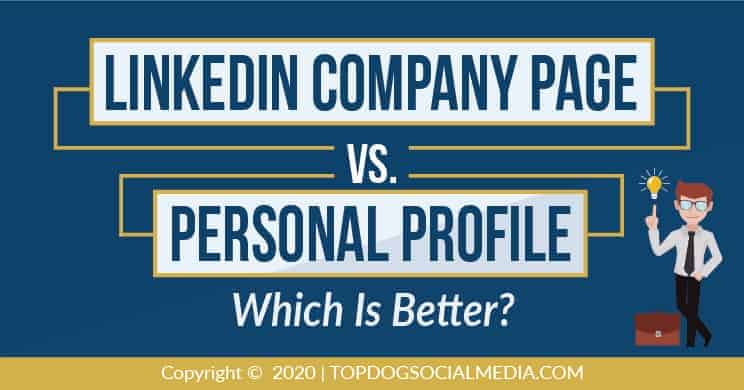
Something I get asked a lot by clients, LinkedIn connections, and followers is this: “Should I put this on the company page, or my own personal profile?”
And my answer, annoyingly, is usually: both, but not in the same fashion and most definitely not at the same time.
If you run a business, lead a team, or are responsible for marketing one, it can feel a bit uncomfortable putting yourself out there. You might be thinking, “People don’t want to hear from me; they want to hear about the business.” Or, “Urgh, this post about an award we’ve just won might make me look like a douche”.
Perhaps you work for someone else and worry that building your own profile somehow takes away from the company brand. Does your boss encourage you to use LinkedIn freely, or do they only want you to post news about the company? Worst still, does your boss even vet or censor your personal profile posts? Yuk, I think by now, you know how I feel about that and maybe that’s an article for tomorrow…

7366499064630173697-91JQ
If you post on your personal profile and the company page, it can be a winning combination.
People buy from people
This is especially true in the Channel Islands; people like to know who they are dealing with. Jersey and Guernsey are small communities. Reputation is what matters most.
Before someone picks up the phone, fills out an enquiry form or agrees to that first meeting, they are often quietly doing their homework on you. They’ll look at your website, of course, and they might even have a little nose at your personal profile. But just a note of warning, they may go even deeper and see if you’re on Facebook or Instagram. If your profiles aren’t locked down from non-connections’ snooping eyes, they might get a bit of a shock. I know that we all love to post about our silly weekend shenanigans on Facebook and Insta, but if you don’t lock down your privacy settings, that potential client might see you doing the limbo after three large glasses of Sav Blanc, and how’s that going to affect your professional reputation?
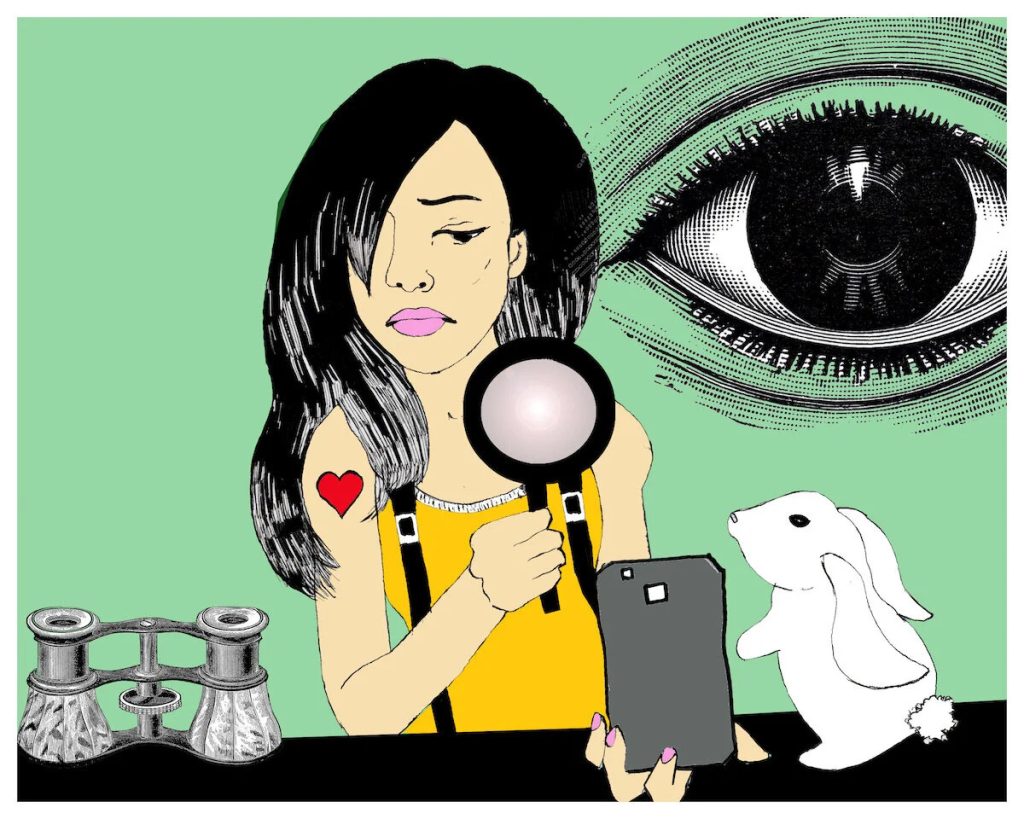
The things they’re going to be looking for are: what do you talk about? What do you care about? Do you know your stuff? Do you seem like someone they could trust, work with, or even just have a decent conversation with?
That is where a personal profile comes into its own. It puts a real, human face to the company. And humans are what people connect with.
This is not about becoming an ‘influencer’. You don’t need to be posting daily updates. Thank goodness. It is simply about letting people see the person behind the professional title.
Your personal profile is the story
Your personal LinkedIn profile is where you can share your opinion, experience and personality. It is where you explain the why behind the business.
A company page might post and say: “We’re delighted to launch our new service.”
Your personal profile might say: “We’ve been working on this for six months after hearing the same frustration from clients again and again. It has been hard work; there have been a few wobbles along the way, but I’m really proud of the team for getting it over the line.”
Same news. Entirely different feel.
One gives people the facts. The other gives them the story, the context and the emotion. And that is the sort of thing that starts conversations.
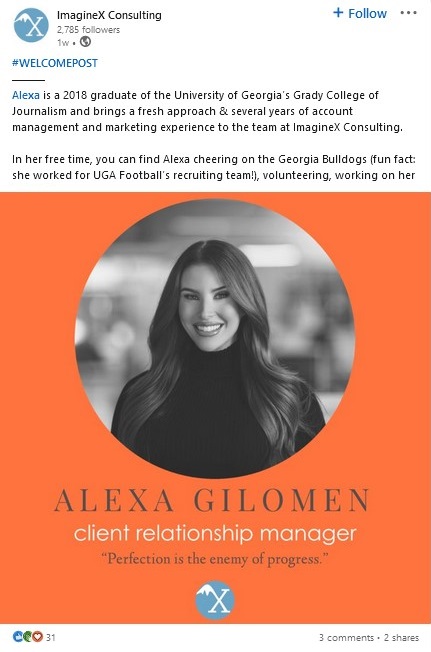
Personal posts also tend to have a natural advantage on LinkedIn. Your connections are connected to you, not a logo. And you’re also far more likely to have more connections on your personal profile than followers on your company page. Your connections are more likely to pause, read and respond when you are sharing something useful, honest or interesting.
Research and LinkedIn practitioners consistently find that personal-profile content earns markedly more organic reach and engagement than the same content from a company page.
But… And it’s a big but… Your personal profile is not a free-for-all. Don’t forget that you still represent your business. So, be yourself, absolutely, but be the professional version of yourself.
Think warm, informed and appropriately human.
Your company page is your shop window
So, after explaining all this, Jo, does that mean you can abandon the company page? No. Not at all.
Your company page is your shop window. It is where people go to check you are real, see what you do, meet the wider team, find your website, look at vacancies, and get a consistent view of the brand. I always recommend to clients that they have a company page on LinkedIn as it earns you and your business a degree of credibility. What’s more, when you set up a company page and add your logo, that logo also features on your personal profile, giving the brand even more coverage.

So what should I post about on my company page?
You should use your company page for the bigger business messages:
- New products, services or company announcements
- Team news, recruitment and employee celebrations
- Case studies, awards and client success stories
- Events, partnerships and useful industry content
- Clear information about what you do and who you help
Keep it current, complete and credible. A company page with no recent posts, a blurry logo and a post from 2021 is not screaming ‘we’re successful and active’.
Don’t just copy and paste
Do you remember at the beginning of this article I said you can post about the same thing on both your company page and your personal profile? Well, avoid the temptation to write one post and paste it onto both pages. The company page is about being factual; your personal profile offers an opportunity to give your personal take on the news. Was it a challenge? Did you enjoy it? What does it mean to you?
If the company page announces a new hire, your personal post could celebrate the person, explain why the role matters, or share what you are excited for them to bring to the team. If the company page shares a client win, your profile could reflect on the challenge you solved or the lesson you learned along the way.
Same subject. Different angle. Different value.
Think of it like this:
| Use your personal profile for | Use your company page for |
|---|---|
| Your expertise, opinions and lessons | Official news and business updates |
| The story behind the scenes | The facts, service details and calls to action |
| Conversations and connection | Credibility, consistency and proof |
| Showing the people behind the brand | Showcasing the whole business and team |
So how much of ‘you’ should you share with LinkedIn?
This is also another question I get asked a lot by clients, connections and followers. I know that people are often nervous to ‘show up’ and fear the thoughts or words of others. But posting regularly gets you seen! It helps you build credibility and likeability. It helps others get a sense of who you are.
Share your expertise. Share a story from the working day. Celebrate your team. Have an opinion when you have something useful to say. Let people see the values behind the logo.
But remember: personal branding is not about making everything about you. It is about making your business easier to trust.
The best approach is not personal versus company brand. It is personal AND company brand, working together. Your profile gets people interested; your company page reassures them there is a solid, credible business behind the person they have come to know.
Get emosh where it counts. Nothing wrong with that. Many of my sometimes ranty posts have got me some great engagement. But, above all, be human. Be helpful.