

AI can write ads, generate images and pull together copy in seconds now, and it’s fair to wonder what that means for creativity.
If a machine can do the work, does the human part still matter?
I think it matters more than it used to, not less.
The way I see it, AI should be giving people time back. What you do with that time is the real question. If businesses use it to actually invest in creativity, in the ideas and instincts that AI can’t produce itself, that’s where the advantage is going to come from. Everyone has access to the same tools now, so the tools stop being the differentiator. What you choose to spend your freed up time on becomes the thing that sets you apart.
That’s really the heart of this whole piece.
Creativity isn’t decoration
There’s a tendency to think of creativity as the bit that makes something look nice at the end, the finishing touch. But when it’s done properly it’s doing a lot more than that. It’s taking something complicated and making it easy to understand. It’s giving someone a reason to care about a brand they’ve never heard of. Sometimes it’s just making someone feel a certain way about a product, and that feeling is what sticks around long after the ad itself has been forgotten.
None of that happens by accident. It comes from a strategy underneath it, from actually knowing who you’re talking to and why.
Why AI can’t do this part
AI works by learning from what already exists. That’s simply how it works, it looks at huge amounts of existing content, images and ideas, and produces something based on patterns it has already seen. It’s not capable of original thought in the way a person is, because it doesn’t have a lived experience to draw from. It can remix, combine and predict, but it isn’t coming up with something new the way a person can when they notice a pattern nobody else has spotted, or connect two ideas that have never been put together before.
That’s not a criticism of AI. It’s actually useful for a lot of things. Strategy work, research, technical tasks, the more repetitive parts of the job, AI can speed all of that up. But there’s a limit to what it can do, and that limit is exactly where human creativity starts.
The bit AI still can’t replace
This is the part I keep coming back to. AI can’t replace proper human interaction. It can’t pick up the phone. It can’t sit with someone and actually listen to what they need, and it definitely can’t empathise.
So if everyone now has access to AI, and everyone’s content starts to look and sound a bit similar, the businesses that stand out will probably be the ones still willing to have a real conversation.
Someone answering the phone instead of a chatbot. A person who remembers your name instead of a script. That’s not a small thing. In a market where everything can be automated, the choice not to automate the human parts might end up being the most creative decision a business makes.
Where the actual value is
Good creative work still needs a strategy behind it. Who you’re trying to reach, what problem you’re solving for them, what they actually care about, and how you want them to remember you afterwards. Those questions haven’t changed just because the tools have.
What has changed is how much time businesses now have to actually sit with those questions properly, instead of rushing through the technical side of things. That time is worth protecting. It’s easy to fill it back up with more automation, more content, more output. The businesses that get the most out of this shift will probably be the ones who use that time differently, who put it into the parts of the work that still need a person behind them.
Creativity was never really about being different for the sake of it. It’s about finding a better way to reach someone and solve something for them. That’s still true, and I don’t think it’s going anywhere.
Snap’s team of innovative designers, data driven marketers & pixel perfect developers, create lasting digital experiences. They work with an extensive range of clients from independent start-ups to established multi-jurisdictional companies. For more information, get in touch via the website or [email protected]
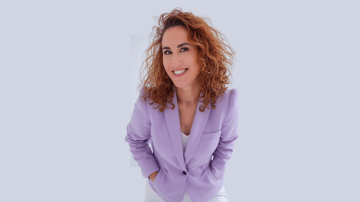
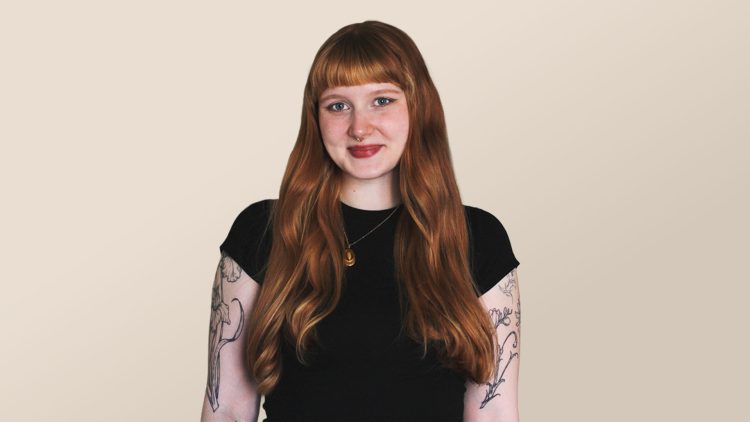
Pictured: Eleanor Chambers, Digital Marketing Assistant at Snap