
A generational shift in wealth is reshaping family dynamics and long-term planning.
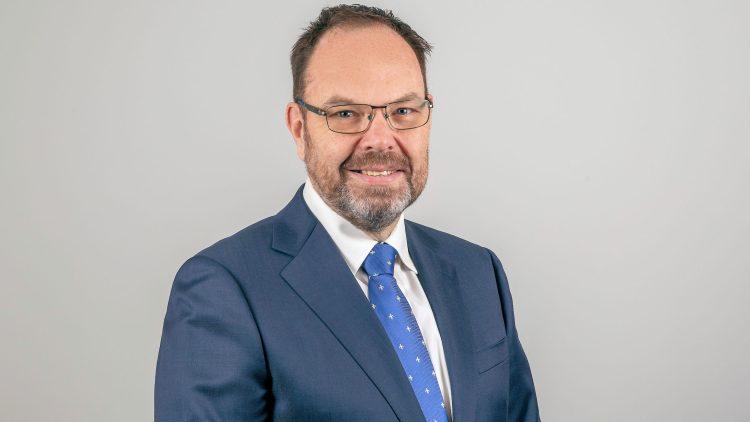
Nick Mangan, Head of Wealth Management for Jersey at UBS Global Wealth Management, explores how the Great Wealth Transfer is influencing investment priorities, family governance and legacy planning in the Channel Islands.
Across the globe and playing out here in the Channel Islands, a generational shift in wealth is already well underway, thanks to the Great Wealth Transfer.
According to UBS’s Global Wealth Report 2025, more than USD 83 trillion is expected to change hands globally in the coming decades – much of it between family members, and a significant proportion initially between spouses. In the Channel Islands, where cross-border assets and family offices are increasingly relocating and consolidating, we are seeing a shift as inheritors move from wealth accumulation to stewardship.
Yet the wider global data suggests many remain underprepared for this shift. In fact, just over half of family offices globally have a formal succession plan in place, and fewer than a third involve the next generation early, according to UBS’s Global Family Office Report 2025. This disconnect increases the risk of fragmentation as wealth passes hands, particularly in regions like the Channel Islands, where the economy is sophisticated and the population is rapidly ageing.
Positively, we are seeing signs of progress. The global share of families with plans in place is growing, and across the Channel Islands, we are seeing many already embracing structured governance, education, and shared purpose as part of long-term planning. The challenge now is to turn growing awareness into action – not only to preserve wealth, but to ensure it endures with clarity, continuity, and intent.
A shift towards stability
In recent years, the economic landscape has undergone significant changes, prompting investors to embrace a prudent, long-term strategy for wealth management – a principle consistently advocated by UBS when advising our clients. In fact, our Global Family Office Report 2025 shows that many families are keeping their overall investment strategies steady, favouring well-diversified portfolios designed to withstand market ups and downs.
There has been a modest move towards developed market equities and private debt, areas seen as offering more stable growth and reliable returns. At the same time, cash is being held more carefully, with families mindful of its declining value in real terms due to inflation.
Intergenerational priorities and purpose
Perhaps the most defining trend, however, is the renewed attention on wealth priorities and purpose. As the Great Wealth Transfer unfolds, younger family members may bring different expectations, risk appetites, and values.
This generational shift is not limited to investment philosophy. Conversations are increasingly centred around impact and legacy. Philanthropic planning is becoming more strategic, integrated into broader family governance and used as a tool for engaging next-generation members in meaningful ways.
Looking ahead
The wealth landscape in the Channel Islands has always been shaped by its unique position – international in outlook but grounded in robust legal frameworks. Today, as wealth becomes more mobile and societal expectations evolve, families are seeking not just returns but a meaningful legacy, and there is significant opportunity here to achieve this.
There is a growing understanding that wealth needs context, in that capital must serve not only financial goals, but family, community and purpose. This requires long-term thinking, structured planning and a commitment to transparency and shared understanding. At UBS, our Wealth Way framework helps our clients organise their financial life into three key strategies: Liquidity, for cash flow needs including short-term expenses; Longevity, for longer-term needs; and Legacy, for needs that go beyond their own. As investors, thinking of their wealth in these terms may help to alleviate concerns as they start the process of passing it down to future generations.
In this environment, the role of the wealth manager is evolving. While intergenerational conversations have always been part of family wealth planning, the Great Wealth Transfer has brought them into sharper focus, alongside rising complexity and the need to balance values as well as valuations. At UBS, this emphasis on long-term, intentional wealth management reflects the principles we have always upheld. We help families create structured, transparent plans that preserve clarity and continuity across generations.
We are seeing a wider shift from accumulation to stewardship, from transactional wealth management to intentional legacy planning. And in a world that feels increasingly unpredictable, that quiet sense of clarity may be the most enduring trend of all.
 With over two decades of experience supporting high and ultra-high-net-worth individuals, Nick Mangan is Head of Wealth Management for Jersey at UBS Global Wealth Management. Nick helps clients, family offices, and trustees manage wealth, plan for the future and achieve their philanthropic ambitions.
Connect with Nick at [email protected] or via LinkedIn.