
British society is experiencing a fundamental shift in how retirement is approached, changing working and living patterns now and in the immediate future.
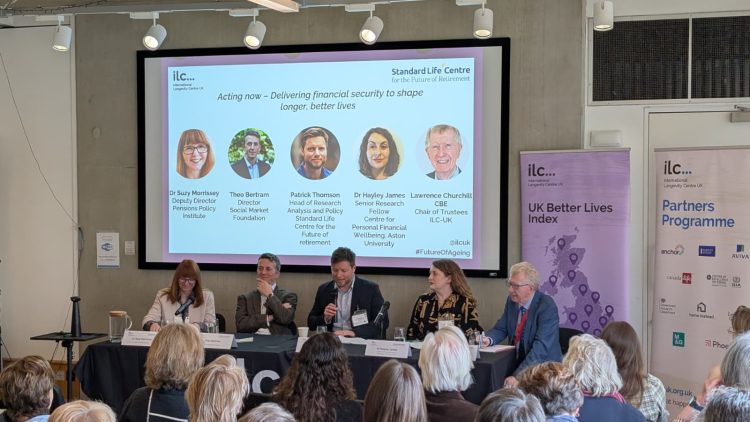
The shift was one of the core themes of the recent ‘Future of Ageing Conference’, hosted by the International Longevity Centre UK.
Paul McCormick, Director at Gower, was in attendance and said that what he heard on the day from the range of expert speakers was chiming directly with his experiences here in Guernsey.
“There was a great focus on how, for many, retirement is no longer a single defined moment,” said Paul. “It’s becoming a gradual transition reflecting longer lives, changing working patterns and greater personal control over financial decisions.
“Guernsey’s working population is in a similar state to the UK’s – it’s decreasing as the population ages and the dependency ratio changes. Many Gen Xs, people in their late 40s and 50s, have built meaningful pensions and savings wealth and are in a fortunate position of being able to dictate the terms of what their journey to retirement looks like.”
Different working patterns
The conference featured panels and breakout sessions discussing different facets of ageing and working, including extending working lives, how policy can address deepening isolation among the elderly and putting healthy ageing at the heart of the social agenda.
Working for longer doesn’t necessarily mean working in the same way, and one session focused on the different routes to retirement that people can take.
Case studies were presented on increasing numbers of people who are reducing weekly hours, taking more annual leave, or moving into more flexible roles or even starting a second, less demanding career.
“For those who are able, balancing continued income with greater flexibility is a real trend,” Paul said. “Panellists and guest speakers were clear that there is greater choice among the working population now as to how and where they work, and that’s changing approaches to working lives and, in turn, retirement.”
Retirement no longer ‘a cliff edge’
One panellist concluded that retirement is no longer ‘a cliff edge’, but more of a phase that gets shaped differently over time; personal financial planning is changing as a result of that realisation.
Paul said: “Attending the Future of Ageing Conference really cemented a few of the themes we’ve been speaking to islanders about. People have greater awareness of their finances than ever before. But retirement is taking a different form now and this is something working people, of all ages, should proactively plan for to ensure they get the most out of it. What income do they need? Which investments do they have? What kind of pension do they have in place? Does their career support the concept of a phased retirement? These are all questions for people to ask themselves as they face up to a different reality around retiring.”