


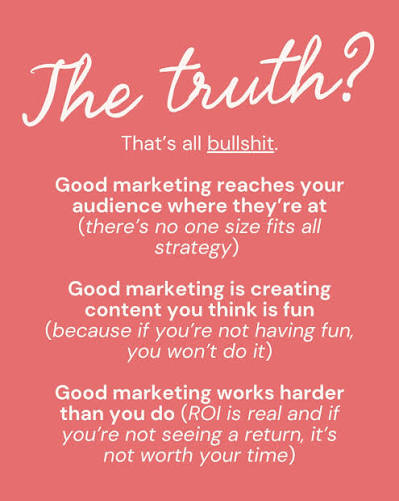
Why do all the leading marketing gurus tell you something different? If you usually seek guidance from your social media faves, it’s easy to see why your head might be in a bit of a spin.
So, today’s article is all about marketing in the Channel Islands, and what’s working and what isn’t.
If you run your own business or work in a tiny team with a finite budget, this one’s for you.
So, let’s actually begin by looking at what’s actually happening on our doorstep. The Orchard, a PR-first integrated agency, ran a study specifically examining how Channel Island businesses use social media.
And a few key truths emerged from it…
Around a third of small and medium‑sized businesses are on TikTok!
This result really surprised me as I always thought TikTok was just for kids. But some small businesses are seeing the benefits of being on this platform.

But should you?
I know we’re all feeling the pressure to be on ‘more channels’ with more content as platforms like YouTube, TikTok and Pinterest creep into the mix.
Almost everyone has video in their social strategy (92%!), and nearly half are focusing on short‑form video.
But some significant statistics may make you think twice.
Adweek, an American trade publication and media company that covers brand marketing, advertising, and creativity, said that 80% of short videos drive less than a third of total engagement. In other words, short, snappy content has its place, but it’s not the be-all and end-all.
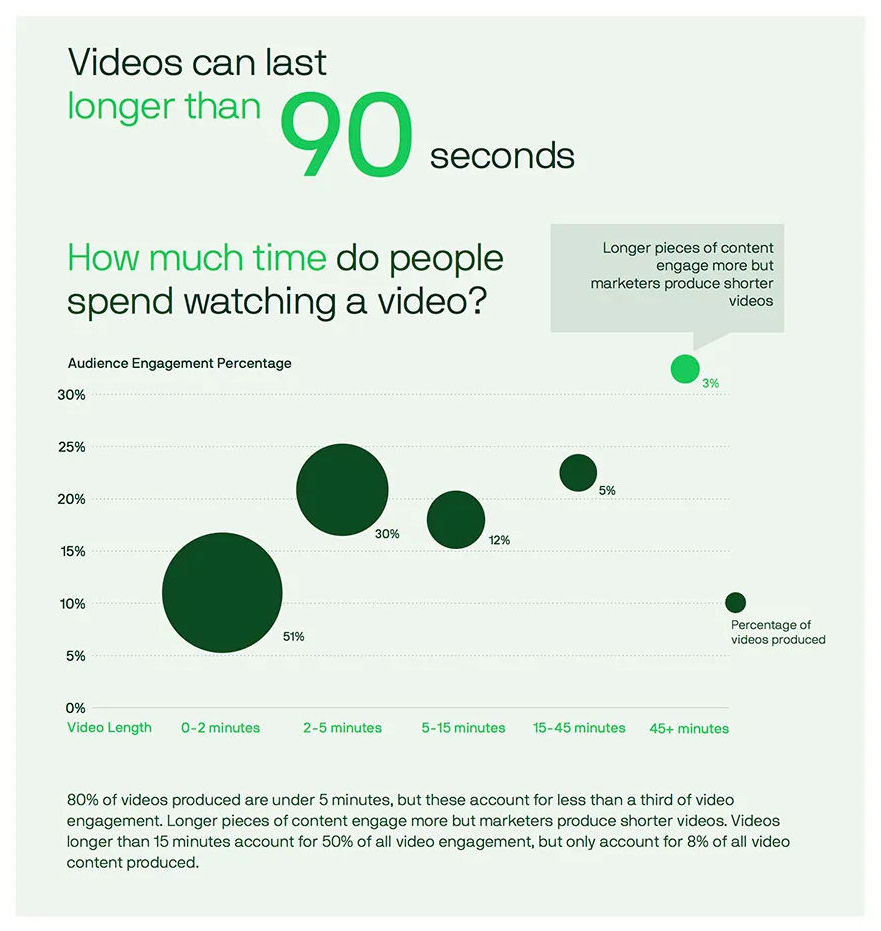
Younger audiences are actually watching longer, more educational videos, too. So if you feel guilty for not churning out Reels every day, breathe. You’re not behind, you’re just human.
Just chill. You don’t have to be everywhere
Somewhere along the way, we started believing a dangerous myth: ‘If you’re not on every platform, you’re failing at marketing’. Rubbish.
If you’re a tiny team, you simply don’t have the hours to be genuinely good on Facebook, Instagram, LinkedIn, TikTok, YouTube, Pinterest and whatever pops up next. And ‘bad but present’ is not a strategy; it’s just brand dilution and brand confusion.
The Orchard study shows that only 32% of local SMEs are on TikTok. Most businesses are still concentrating on a handful of platforms, and that’s sensible. The question isn’t ‘where should we be?’; it’s ‘where are our actual customers?’ For some, that’s LinkedIn and email. For others, it’s Instagram and events. For a few, TikTok makes total sense.

Give yourself permission to pick your battles. It’s better to be brilliant and consistent in two places than exhausted and stretched in six.
The influencer myth (and why boots on the ground still win)
In my last article, I spoke about out-of-home marketing and the need to get out of your office chair and put your feet on the pavement to get in front of your actual customers.
Within Orchard’s report, they explained that 86% of local respondents aren’t using influencers or content creators at all. Globally, the narrative is ‘partner with influencers or miss the boat’. Morning Consult said that 75% of millennials follow influencers on social media. So is this a wise move? Maybe it’s different here from what has been claimed happens in the UK.

For some sectors, influencer partnerships could be powerful. For others, they’re a distraction from the real work: building trust in your own name, through your own channels, in your own community.
If you’ve got limited time and budget, the priority is usually:
- Get your own profiles and website in order
- Show up consistently
- Be useful and human
Yes, influencers can be a bonus. But they’re rarely the foundation.
So what’s working right now for Channel Island businesses?
- Consistent posting on 1–3 platforms you can actually manage.
- Video that fits your reality. Short tips, behind‑the‑scenes, Q&As
- Longer, educational content where it makes sense. Think webinars, live Q&As, and explainer videos.
- Clear social media guidelines for staff. 44% of local businesses don’t have a policy or aren’t sure they do; a simple one can protect your brand and empower employees to advocate for you safely.
And what’s not?
- Joining every new platform just because a guru said so.
- Chasing short‑form video volume over substance.
- Copy‑pasting global playbooks without local context.
- Leaving social to ‘whoever has spare time’.
In summary, your marketing doesn’t need to look like what they do at some big blue-chip UK company; it just needs to look like you and respect your customers and capacity.
Pay attention to what is working well for you and stick with it.