
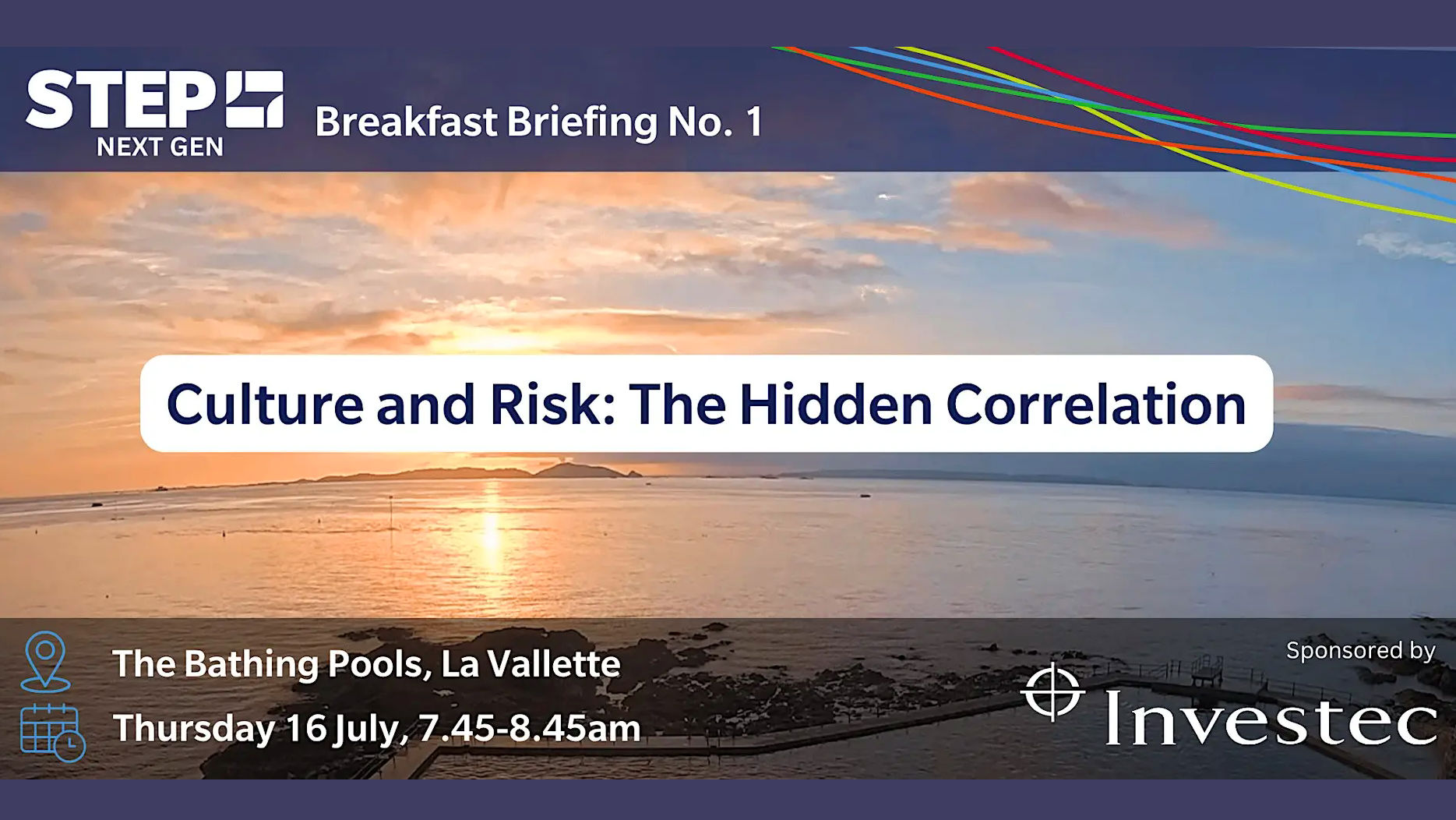
Culture and Risk: The hidden correlation
A teacher divides a classroom by eye colour. A prison experiment spirals out of control. Engineers predict a disaster before it happens. Hundreds of innocent people are prosecuted despite repeatedly telling the truth.
What do these stories have in common?
They all reveal the same hidden reality: culture shapes risk long before a crisis appears on a risk register.
Arguably, culture is the most powerful risk management tool available to any organisation. It influences how people behave when no policy exists, how they respond under pressure, whether they challenge authority, and whether warning signs are acted upon or ignored.
Yet in many organisations, culture is not designed – it emerges by accident. It develops through tolerated behaviours, unwritten rules, incentive structures and leadership signals that often go unnoticed until something goes wrong.
The organisations that succeed are rarely those with the most policies. They are the ones that create cultures where people speak up, challenge assumptions, admit mistakes and make better decisions.
Drawing on some of the most fascinating experiments in psychology, real-world corporate failures, and examples ranging from the Post Office Horizon scandal to Sweden’s Vision Zero approach to road safety, this session explores the hidden correlation between culture and risk – and why the most effective risk management strategy may be the one most organisations struggle to measure.